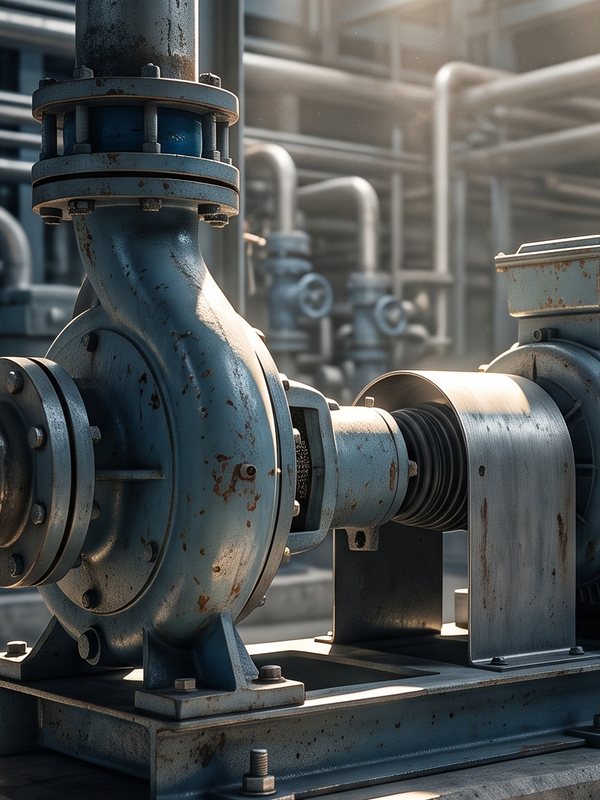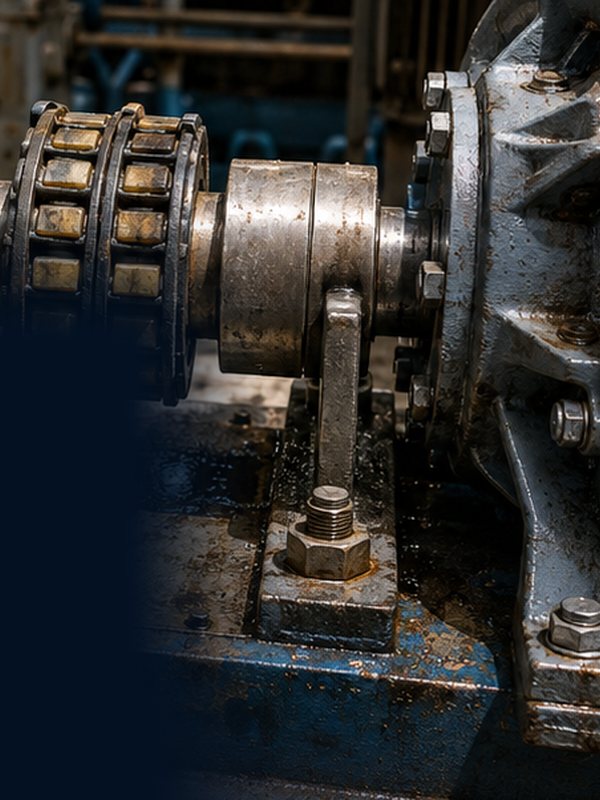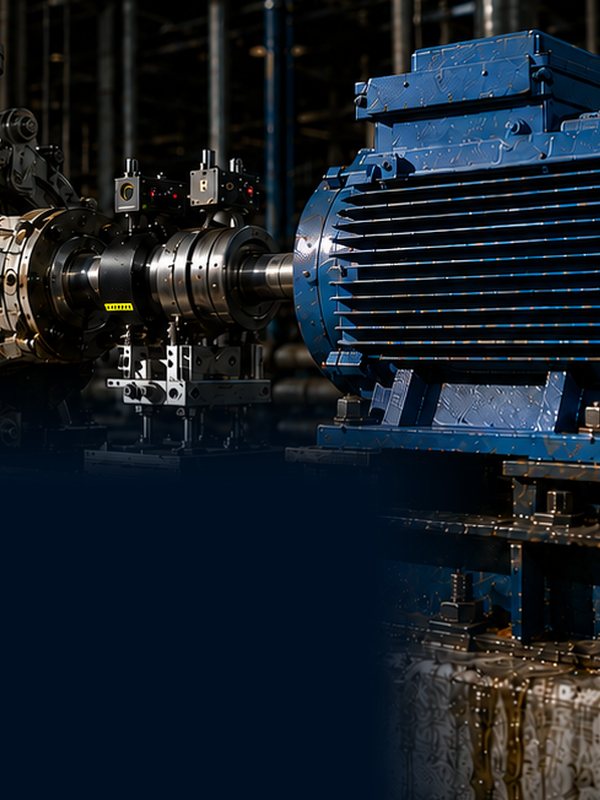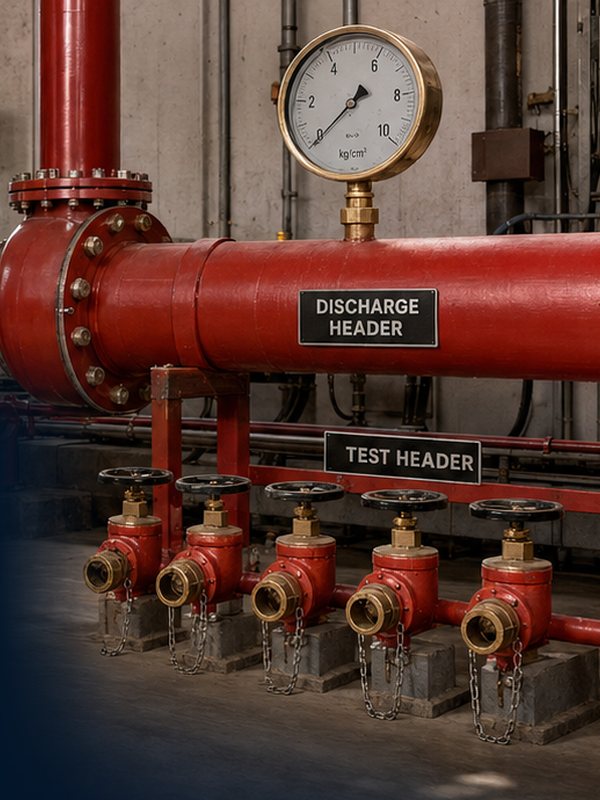
A centrifugal pump that stops making head has usually not worn out — something around it changed, and the pump is reporting it.
Adapted for the web from the original post of 13 September 2026.
A centrifugal pump that stops making head has usually not worn out — something around it changed, and the pump is reporting it.
Suction restriction. A strainer half blocked. A valve someone throttled and forgot. Air being drawn in.
System resistance that crept up as the plant changed. Speed that is not what the nameplate says.
Worn wear rings sometimes — but rarely first.
The pump is underperforming and the pump needs replacing are separated by a diagnosis nobody has run yet.
When a pump gets condemned on your site, is the cause established first, or does the replacement go straight in?
Fixed-scope and fixed-price, quoted in writing before work begins.
Working out why a pump lost performance before it is replaced is part of what OMNIX does. If pumps are being swapped and the new one drifts the same way within months, the cause is still in the system. The failed assembly is opened and examined where it failed, measured against limits, and the contributing factors — operating, maintenance or installation — are separated, not blended, ending in a prioritised list of what has to change so it does not happen again. On machines under equipment health monitoring, vibration, temperature and performance are trended against a baseline set on the first visit.
The pump is underperforming and the pump needs replacing are separated by a diagnosis nobody has run yet.
Short notes on machines, steam, fire systems and NDT — each first posted on LinkedIn.

Tell us your unit name, location and the equipment or premises concerned. A thirty-minute walkthrough at your plant — travel included within Visakhapatnam city limits, quoted in advance for outstation sites.