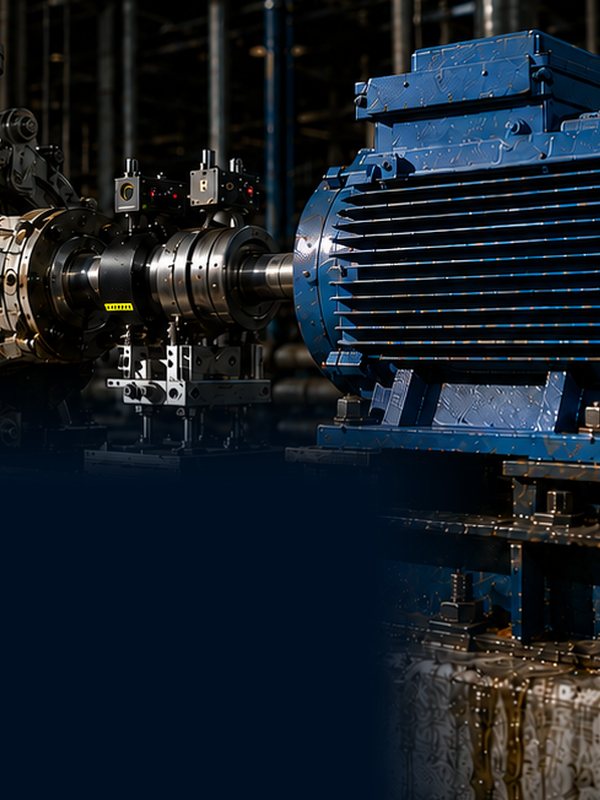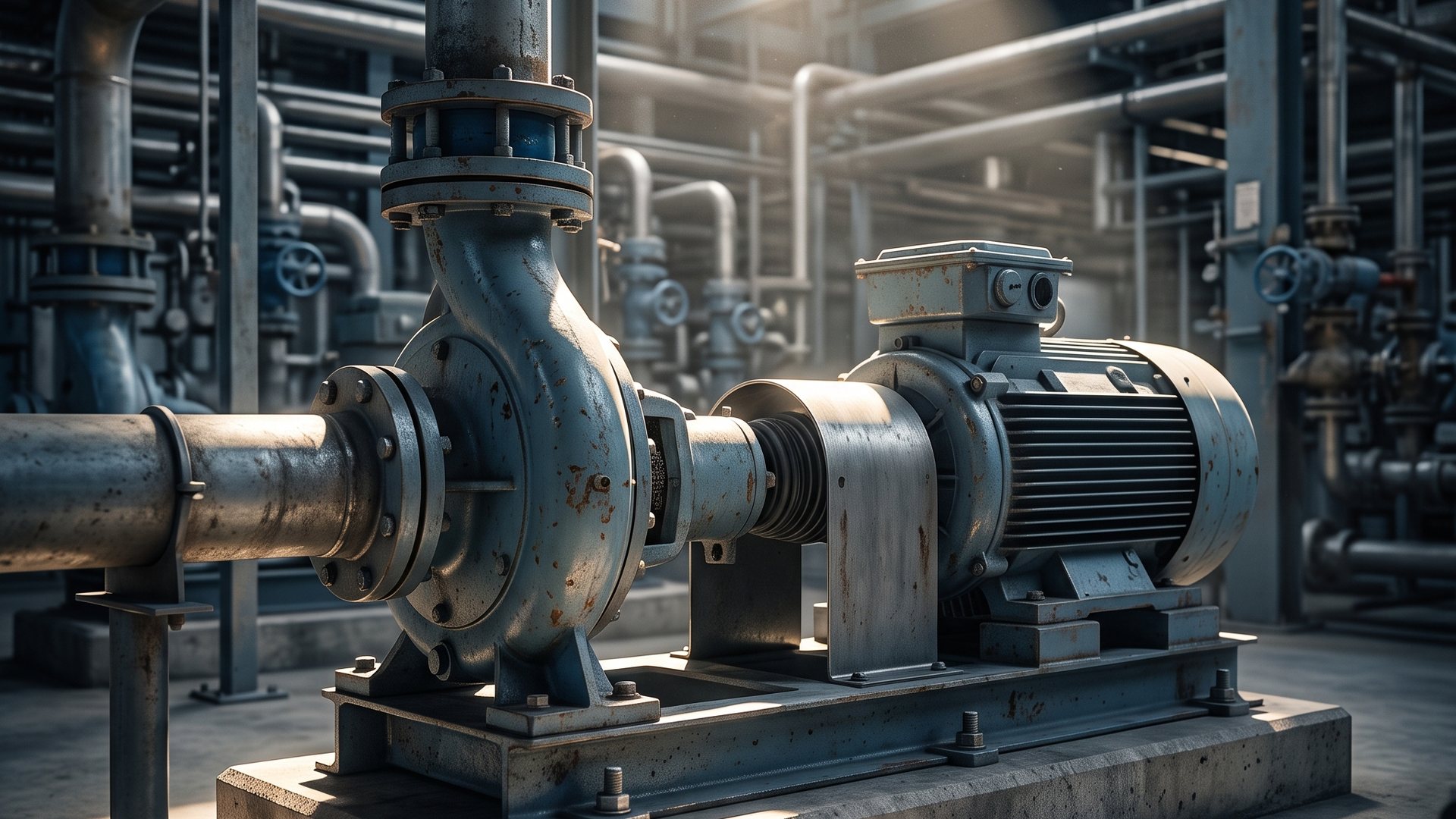
“It's still running” is the most common reason a machine doesn't get looked at — and the weakest evidence available to act on.
Adapted for the web from the original post of 29 August 2026.
“It's still running” has never once meant “it's fine.” It means the failure hasn't finished yet. Most plant failures are not surprises — they are conclusions, and nearly all of them were being reported for weeks before anyone read the report.
A pump, a motor, a gearbox, a compressor — none of them fail on the day they stop. They spend weeks, sometimes months, drifting away from their healthy operating condition while still doing the job.
Bearing temperature climbs a little. The vibration signature changes shape. Lubrication degrades. Alignment gives up what it had at commissioning. Nothing on the floor looks different. None of it stops production, so none of it gets written down.
Then it stops, and the failure gets described as sudden. The machine keeps running right up until the morning it does not.
When OMNIX assesses a machine that seems fine, what is actually being read is: bearing condition and temperature, vibration behaviour, lubrication state, coupling and alignment, operating point against design, leakage — and the sounds the operators stopped noticing, because they arrived gradually.
The objective is not to find something wrong. It is to establish where the machine currently sits between healthy and failed. That position is something you can plan around. A breakdown is not.
Fixed-scope and fixed-price, quoted in writing before work begins.
Equipment health monitoring starts with a baseline on the first visit: every machine measured and recorded so later readings have something to be compared with. Vibration, temperature and performance are then taken the same way, at the same points, every time — vibration judged against ISO 20816 severity zones — and each reading is plotted against the baseline, so drift is visible long before failure. A change in condition reaches you as a number, well before it reaches you as a breakdown.
If a machine in your plant is still running but behaving differently from how it used to, that difference is worth investigating before it decides the schedule for you.
Short notes on machines, steam, fire systems and NDT — each first posted on LinkedIn.
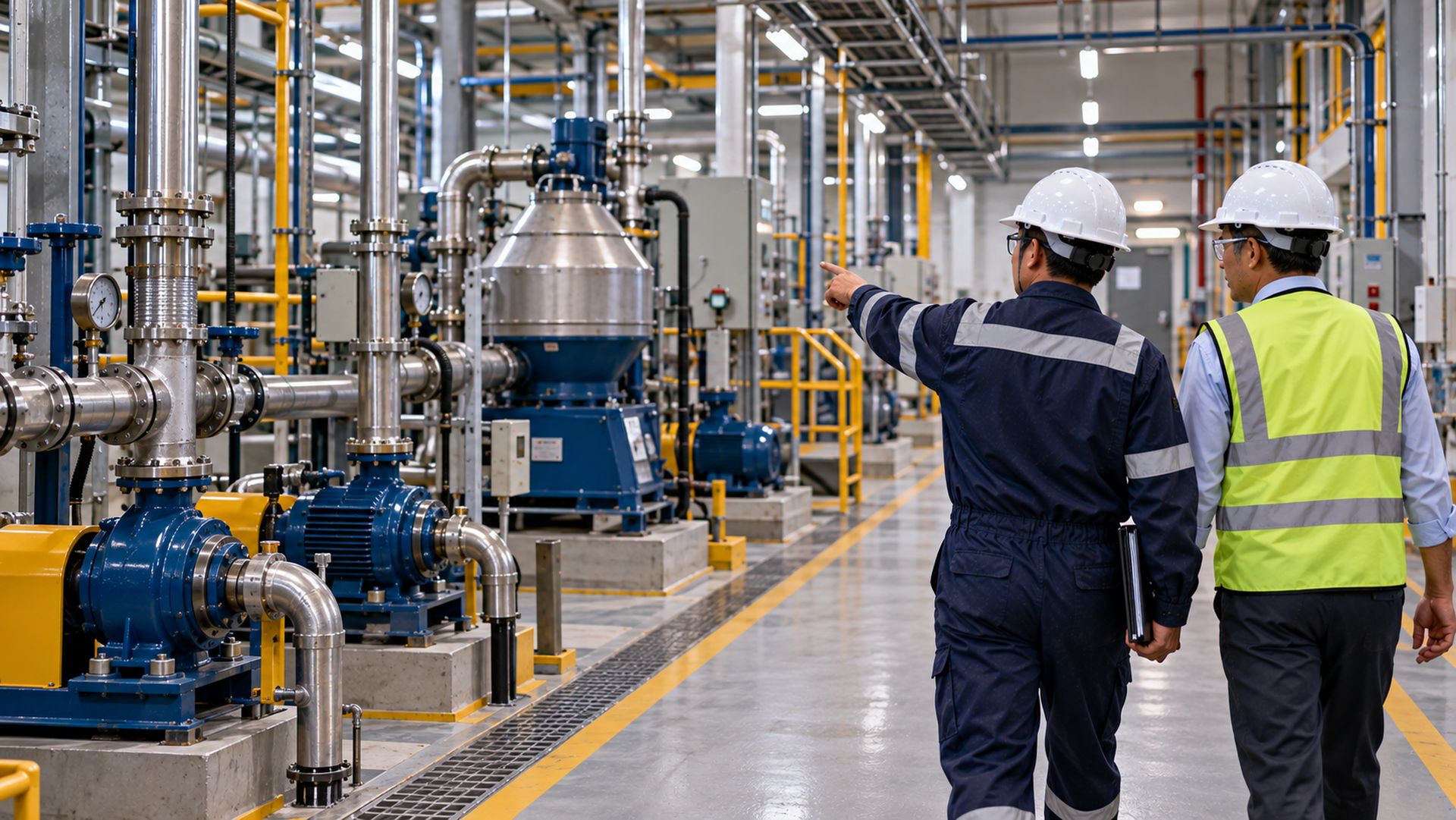
Tell us your unit name, location and the equipment or premises concerned. A thirty-minute walkthrough at your plant — travel included within Visakhapatnam city limits, quoted in advance for outstation sites.